
Social media sentiment is a liability. In 2026, relying on influencer noise is a guaranteed path to irreversible financial loss. You've likely felt the paralysis of information overload or the sudden sting of a smart contract exploit. It's difficult to separate genuine utility from speculative traps when the market moves at sub-millisecond speeds. You're looking for a way to strip away the noise and see the data for what it is.
This guide provides a clinical, 8-layer crypto project risk assessment framework designed to automate your due diligence using institutional-grade AI intelligence. We've moved beyond manual checklists. By leveraging the same technical precision used by elite technicians, you can reduce emotional bias and protect your capital from sophisticated exploits. We'll analyze the transition to NIST post-quantum cryptography standards, such as FIPS 203 and 204, and show you how to validate project security before the first trade executes. You'll master a repeatable process that prioritizes technical proof over exuberant hype.
Key Takeaways
- Transition from manual checklists to a real-time crypto project risk assessment framework that quantifies technical, economic, and social threats.
- Execute an 8-layer validation sequence to verify smart contract integrity and analyze liquidity slippage before entering a position.
- Identify economic logic vulnerabilities, including flash loan attack vectors and the specific liquidity withdrawal signals that precede a rug pull.
- Automate your risk mitigation workflow by deploying AI agents for 24/5 market monitoring and complex dependency tracking.
- Utilize Sniper AI Weekly to integrate institutional-grade data filters and sub-millisecond execution into your existing non-custodial setup.
What is a Crypto Project Risk Assessment Framework?
A crypto project risk assessment framework is a multi-dimensional system designed to identify, quantify, and mitigate technical, economic, and social vulnerabilities within a decentralized ecosystem. It's no longer enough to scan a whitepaper and check a Twitter following. In 2026, the cryptocurrency regulation landscape has matured, with the EU's MiCA deadline of July 1, 2026, forcing a shift toward institutional-grade transparency. This framework replaces subjective "gut feelings" with clinical, data-driven validation.
Traditional Enterprise Risk Management (ERM) models fail in decentralized environments. ERM relies on centralized intermediaries, human oversight, and settlement delays to catch errors. In DeFi, code is law. Execution is final. There's no "reversal" department for a drained liquidity pool. The core objective of a modern framework is to quantify the probability of failure against its potential impact. You're calculating the risk-adjusted probability of a protocol's survival in a high-volatility market.
The Evolution of Risk in Decentralized Finance
Immutability is a double-edged sword. It provides trustless execution, but it also ensures that code errors are permanent. We've transitioned from trusting brand-name banks to trusting open-source code. This shift requires a different set of eyes. 2026 market dynamics prove this daily. In June 2026, on-chain lending markets saw a massive deleveraging event where the supply of Wrapped Ethereum (WETH) rose by 78.6% in just seven days. Without sub-millisecond risk detection, your capital is exposed to cascading liquidations before you can manually refresh a browser. The framework must account for this automated speed.
Static Audits vs. Dynamic Risk Intelligence
The "Last Model Problem" is the primary cause of retail capital loss. A smart contract audit performed six months ago is a legacy document; it's effectively useless today. It doesn't account for new flash loan vectors, governance shifts, or changes in the crypto project risk assessment framework required by updated cost-basis reporting rules. Static reports are snapshots of a past that no longer exists.
Sniper Network prioritizes continuous data streams over one-time PDF reports. Real-time monitoring of on-chain events allows for the detection of "whale" movements or suspicious minting functions the moment they hit the mempool. Risk intelligence must be dynamic. If the framework isn't updating with every block, it's not a safety net. It's a false sense of security.
The 8-Layer Validation Framework for Crypto Projects
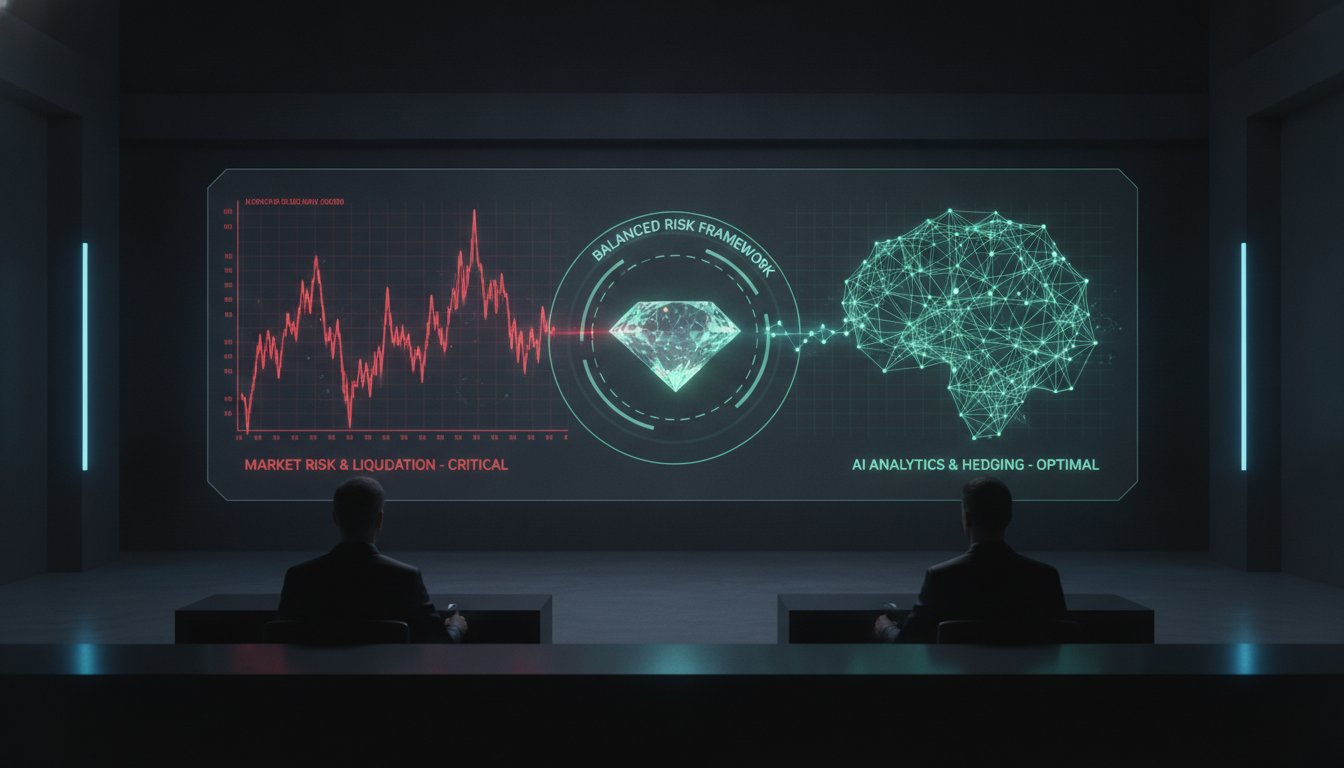
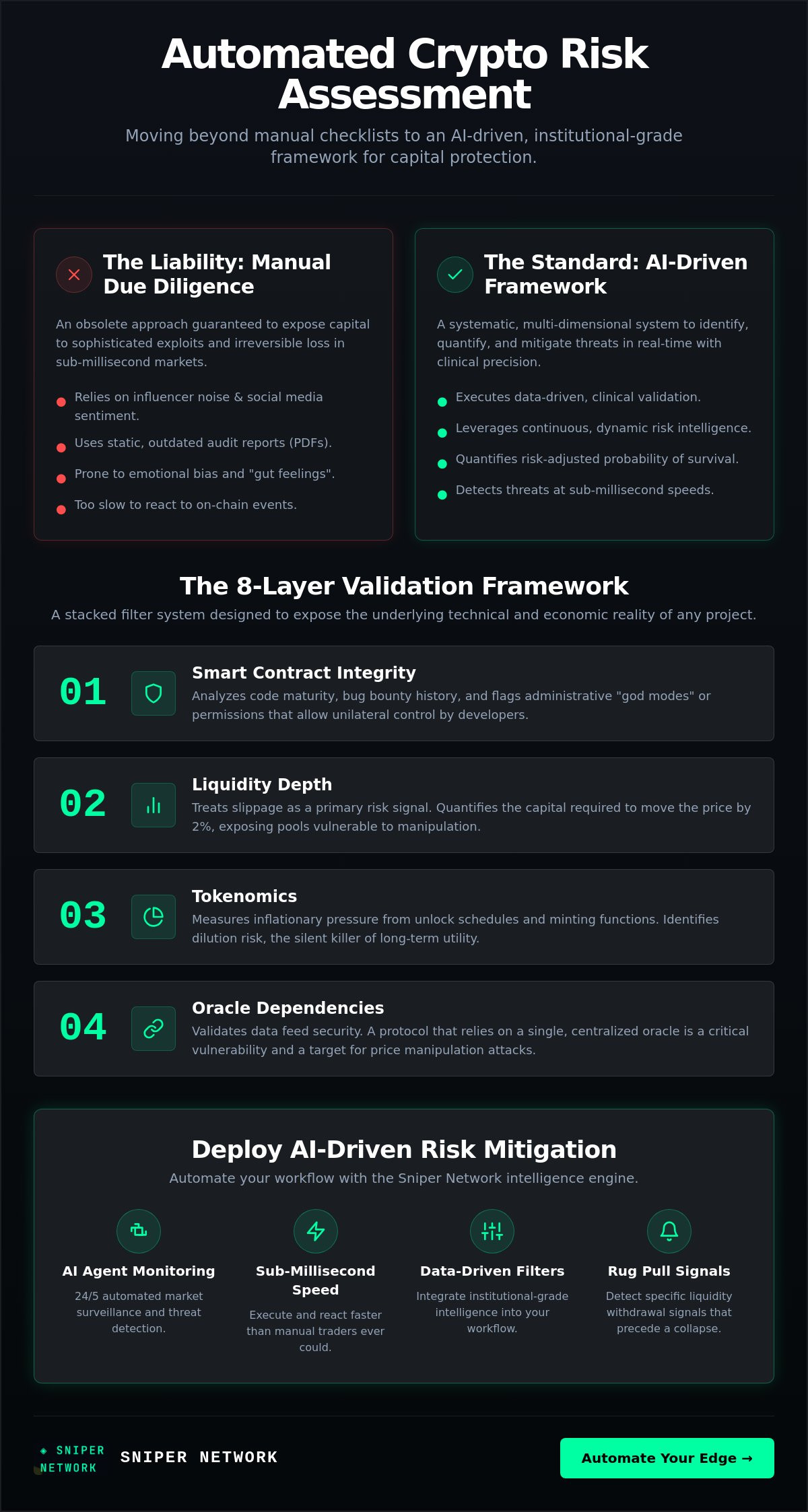
Systematic risk requires a systematic response. A robust crypto project risk assessment framework operates as a stack of filters, stripping away layers of noise to expose the underlying technical and economic reality. It isn't a checklist; it's a real-time validation engine. By segmenting risk into eight distinct layers, we isolate vulnerabilities that a single audit would miss. This guide focuses on the primary four layers of technical and economic health.
- Layer 1: Smart Contract Integrity. We analyze code maturity and the history of bug bounties. High-risk projects often lack long-term on-chain testing.
- Layer 2: Liquidity Depth. Slippage is more than a trading cost; it's a risk signal. We quantify the capital required to move the price by 2%.
- Layer 3: Tokenomics. We measure inflationary pressure and unlock schedules. Dilution risk is often the silent killer of long-term utility.
- Layer 4: Oracle Dependencies. We validate data feed security. If a protocol relies on a single oracle, it's vulnerable to price manipulation attacks.
Technical Layers: Code and Infrastructure
Administrative "god modes" are a critical threat. Many protocols retain the ability to upgrade contracts or pause withdrawals without governance oversight. We flag these permissions immediately. Bridge vulnerabilities are equally high-impact. Cross-chain security must be backtested against historical exploit vectors. Our infrastructure leverages GCP Tokyo co-location to ensure that our risk detection happens at sub-millisecond speeds. Technical precision is non-negotiable when code execution is final.
Economic Layers: Liquidity and Tokenomics
Adapting to institutional cryptoasset risk standards involves more than just checking for a multisig. It requires real-time monitoring of governance concentration. We calculate Value-at-Risk (VaR) in decentralized pools to determine the potential for cascading liquidations. AI agents detect wash trading patterns that artificially inflate volume. If a project's volume is circular, the liquidity is a mirage. Implementing a comprehensive crypto project risk assessment framework allows you to identify these economic traps before capital is committed.
Social Layers: Sentiment and Narrative Noise
Most frameworks ignore narrative risk. We don't. Social media is saturated with bot-driven hype designed to mask institutional exits. We use sentiment analysis in cryptocurrency to filter out synthetic engagement. Multi-timeframe confirmation ensures that a trend is supported by organic growth rather than a temporary marketing spike. This social layer acts as an early warning system for reversals. You can automate this entire validation stack with Sniper AI Weekly to maintain a clinical edge in volatile markets.
Technical vs. Economic Vulnerabilities: Identifying Threats
A comprehensive crypto project risk assessment framework must differentiate between code-level failures and economic logic exploits. A protocol can pass a Tier-1 audit and still be drained in seconds. The vulnerability doesn't always lie in a syntax error; it often exists in the incentive structure or the data dependencies. Understanding this distinction is the difference between a secure position and a total loss.
Smart Contract Exploit Vectors
Reentrancy attacks remain a primary threat in complex DeFi legos. These occur when a contract calls an external contract before updating its internal state, allowing an attacker to withdraw funds repeatedly. Logic errors are harder to detect than simple bugs. They require deep behavioral simulation and constant monitoring. Security isn't just about the code on-chain. It's about the infrastructure you use to interact with it. AES-256 encrypted data transmission is a baseline requirement for any institutional-grade interface. Without it, your execution data is exposed to intercept. Deploying ai for crypto market analysis tools allows for the continuous monitoring of these technical vectors, flagging anomalous contract interactions before they escalate.
Economic Stability and Market Dynamics
Flash loan attacks are the ultimate test of economic logic. They don't exploit code bugs. Instead, they exploit market inefficiencies and liquidity imbalances to manipulate prices within a single transaction. Similarly, oracle manipulation depends on stale data. If a data feed lags behind global spot prices, it creates a risk-free arbitrage opportunity that can bankrupt a lending protocol. Rug pulls follow a specific anatomy. We monitor liquidity withdrawal signals and developer wallet movements. A sudden migration of LP tokens often precedes a total exit.
Black swan events, like the deleveraging seen in June 2026 lending markets where WETH supply rose by 78.6% in a week, require pre-set liquidation thresholds. Asset depegging in algorithmic stablecoins is a systemic risk that cannot be ignored. You need crypto risk management tools that quantify these depegging probabilities in real-time. A robust crypto project risk assessment framework incorporates these variables to protect your portfolio from cascading liquidations.
The Non-Custodial Mandate
The most critical mitigation strategy is non-custodial execution. We operate on a "Your API key, your funds" basis. This ensures that even if a secondary tool is compromised, your assets remain under your direct control. Security is the process of removing single points of failure. By combining a systematic crypto project risk assessment framework with non-custodial architecture, you eliminate the risk of platform-wide insolvency. You maintain full ownership while utilizing high-speed, automated intelligence to monitor the market 24/5.
Implementing AI-Driven Risk Mitigation in Your Workflow
Manual risk management is a legacy process. In the high-frequency environment of 2026, human intervention is a bottleneck that leads to slippage and exposure. You need an automated operational loop that moves from detection to validation without emotional friction. Implementing a crypto project risk assessment framework requires a transition from reactive checking to proactive, AI-driven monitoring. This isn't about working harder; it's about deploying a silent engine that works in the background 24/5.
The implementation process follows a logical sequence of technical triggers. Each step is designed to strip away layers of uncertainty until only the data remains. By the time you execute a trade, the project has already passed a gauntlet of institutional-grade filters.
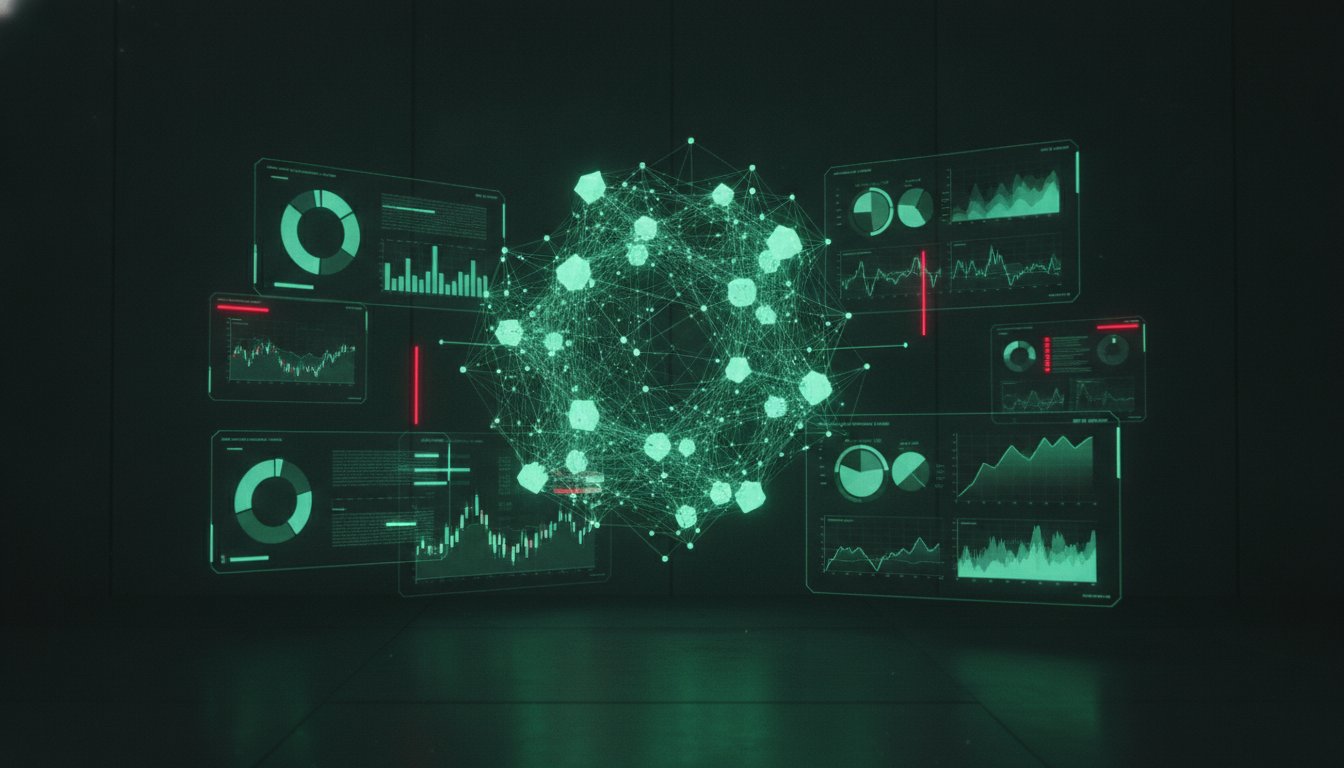
- Step 1: Automate asset mapping and dependency tracking. You must visualize the entire ecosystem. If a protocol relies on a specific bridge or a third-party oracle, those are your primary risk vectors. AI agents map these cross-chain dependencies in real-time, flagging potential contagion before it hits your portfolio.
- Step 2: Deploy AI agents for 24/5 market monitoring. Align your operations with institutional trading floors. We use 5 AI agents to monitor on-chain events, governance shifts, and liquidity migrations. This ensures you're never the last to know when a smart contract's permissions change.
- Step 3: Establish multi-timeframe signal filters. Confirmation is non-negotiable. A signal on the 1-minute chart must be validated by the 1-hour and 1-day trends. This reduces false positives and ensures you're trading the core move rather than the noise.
- Step 4: Execute unbiased, data-driven decisions. Remove the "fear and greed" factor. Decisions are based on backtested results and real-time risk scores. If the data doesn't align with your crypto project risk assessment framework, the trade doesn't trigger.
Automating the Research Lifecycle
AI agents scan thousands of tokens per second. Humans can't compete with that throughput. This automation is the core of systematic crypto trading. By utilizing co-located infrastructure in GCP Tokyo, we filter out synthetic market noise and bot-driven hype. You focus on institutional-grade signals while the AI handles the heavy lifting of technical due diligence. It's a clinical approach to research that prioritizes code maturity over social media sentiment.
The Power of Weekly Intelligence Reports
Daily noise often leads to overtrading and emotional exhaustion. Weekly intervals provide the optimal balance of speed and depth. We synthesize complex on-chain data, such as the 44.6% decline in average crypto fees seen in early 2026, into actionable insights. This allows you to transition from manual signal groups to data-backed intelligence. You get a high-level view of the market's health without getting lost in the sub-millisecond volatility. Start your data-driven journey with Sniper AI Weekly.
Sniper AI Weekly: Automating the Risk Intelligence Lifecycle
Sniper AI Weekly is the operational realization of the 8-layer crypto project risk assessment framework. It isn't a manual newsletter; it's a technical engine designed for autonomous validation. 5 AI agents. 8 signal filters. Sub-millisecond execution. The system monitors the mempool and liquidity pools across multiple chains to identify institutional-grade opportunities. We utilize high-tier infrastructure to ensure total precision. Co-location in GCP Tokyo minimizes latency, allowing our filters to trigger before retail markets react. Data feeds from Reuters provide real-time economic context, while Claude AI handles the complex synthesis of on-chain narratives and developer activity.
Security is a fundamental component of any crypto project risk assessment framework. We operate on a strictly non-custodial basis. Your API key, your funds. Many competitors focus on custody and asset management, which introduces counterparty risk and platform-wide vulnerability. We eliminate that variable. By maintaining direct control of your assets, you bypass the risks associated with centralized exchange insolvencies or protocol-level freezes. Our system validates every signal against backtested security protocols. It's a silent, uncompromising engine that prioritizes your capital preservation through technical proof.
Institutional-Grade Intelligence for Individual Traders
Professional trading floors have long held a data advantage over the individual trader. Sniper Network bridges this gap. We provide the same technical precision and multi-timeframe confirmation used by institutional desks. Performance is transparent. We provide backtested results and clinical reporting that strips away the exuberant hype of the crypto space. Sniper AI Weekly is the definitive risk-assessment tool for those who demand data-driven results. It transforms raw blockchain data into actionable intelligence without the need for manual oversight.
Getting Started with Automated Market Intelligence
Accessing high-end market intelligence shouldn't be a high-friction process. We offer a "no card required" trial to provide immediate access to our signal filters. You can integrate Sniper AI Weekly into your existing risk framework in seconds. The system monitors the market 24/5, aligning with global institutional hours to ensure you never miss a critical liquidity shift. It executes validation triggers only when all 8 layers of the framework are confirmed. ◈ Join the network of data-driven traders today and automate your intelligence lifecycle with institutional-grade precision.
Secure Your Capital Through Automated Validation
Manual due diligence can't keep pace with the sub-millisecond execution of modern exploits. You've seen how the 8-layer validation sequence identifies technical and economic logic threats before they hit your portfolio. By implementing a systematic crypto project risk assessment framework, you strip away the emotional bias of social media hype and focus on clinical data. Real-time monitoring is the only viable defense against the volatility of 2026.
Sniper Network provides the infrastructure required to scale your research without sacrificing security. Our system runs 5 AI agents and 8 signal filters on GCP Tokyo co-located servers. It's a professional setup backed by Claude AI that respects the "Your API key, your funds" mantra. Precision is the ultimate hedge. Use the tools designed for the modern technician. Access Institutional-Grade AI Intelligence with Sniper AI Weekly and deploy an elite toolkit to your trading workflow today.
Frequently Asked Questions
What are the three main types of risk in a crypto project?
Technical, economic, and social risks are the primary categories. Technical risk involves smart contract vulnerabilities and code maturity. Economic risk focuses on liquidity depth and tokenomic inflationary pressure. Social risk identifies synthetic sentiment and narrative noise. A comprehensive crypto project risk assessment framework must validate all three to ensure institutional-grade security.
How does an AI-driven framework differ from a traditional audit?
AI frameworks provide real-time, dynamic validation unlike static smart contract audits. Traditional audits are snapshots of a past state. They become obsolete the moment code is updated or market conditions shift. AI agents monitor on-chain events 24/5. This allows for sub-millisecond detection of anomalies that a six-month-old PDF report would never catch.
Can a risk assessment framework prevent all financial losses?
No system can eliminate risk entirely. A framework quantifies the probability of failure versus potential impact. It's a tool for mitigation, not a guarantee of profit. You're reducing emotional bias and identifying known exploit vectors. Zero-day vulnerabilities and extreme black swan events remain inherent to decentralized finance and the broader market.
What is the most critical layer in the 8-layer validation framework?
Smart contract integrity is the foundation, but liquidity depth is the most critical layer for execution. Technical perfection doesn't protect you from slippage or exit scams. We prioritize Layer 2 validation to ensure that positions can be exited without triggering cascading price drops. Risk is meaningless if your capital is trapped in an illiquid pool.
How often should a crypto project risk assessment be updated?
Risk assessment must be a continuous, automated process. In the 2026 market, a crypto project risk assessment framework that isn't updating block-by-block is a liability. On-chain variables like governance votes and liquidity migrations change in seconds. Real-time data streams are the only way to maintain a clinical edge and protect your portfolio.
Is it possible to automate risk assessment for new "gem" coins?
Automation is the only way to scan high-velocity coins at scale. AI agents scan thousands of tokens per second to detect rug pull signatures or suspicious minting functions. This automated research lifecycle filters out market noise. It allows you to focus on institutional-grade signals while the system handles technical due diligence at sub-millisecond speeds.
Why is a non-custodial approach important for risk management tools?
Non-custodial architecture removes the risk of platform-wide insolvency. By maintaining control of your assets, you eliminate the counterparty risk found in custodial services. We operate on the "Your API key, your funds" principle. This ensures your capital remains secure in your own wallet while you utilize our automated intelligence to monitor the market.